


By Olusegun Ogungbemide
Against the backdrop of hard data and lived reality, the analytical record of road traffic crashes between January and October 2025 alone, compared with the same period in 2024, tells a sobering story. Numbers rise and fall, charts stretch and contract, but one truth stands firm and frightening: nearly 85 percent of these crashes were speed induced.
Beyond this cold certainty of numbers, and behind every statistic is a human story abruptly interrupted, a journey cut short, a promise broken, and a family altered forever. Speed may feel invisible, even thrilling, but on Nigerian roads it has become a silent siren, calling tragedy into motion.
In response to this persistent and preventable threat, the Federal Road Safety Corps has never been silent on this danger. Time and again, the Corps Marshal, Shehu Mohammed, has warned that excessive speed remains the most lethal behaviour on our highways, admonishing motorists to remember that the road is not a racetrack and that arriving alive is the true measure of a successful trip.
With the dawn of a new year and renewed national resolve, the Corps Marshal’s message is unmistakable: FRSC envisions a crash free nation, but that future cannot be enforced into existence. It must be chosen. And that choice rests squarely on the shoulders of every driver, rider, fleet operator, and pedestrian who uses the road.
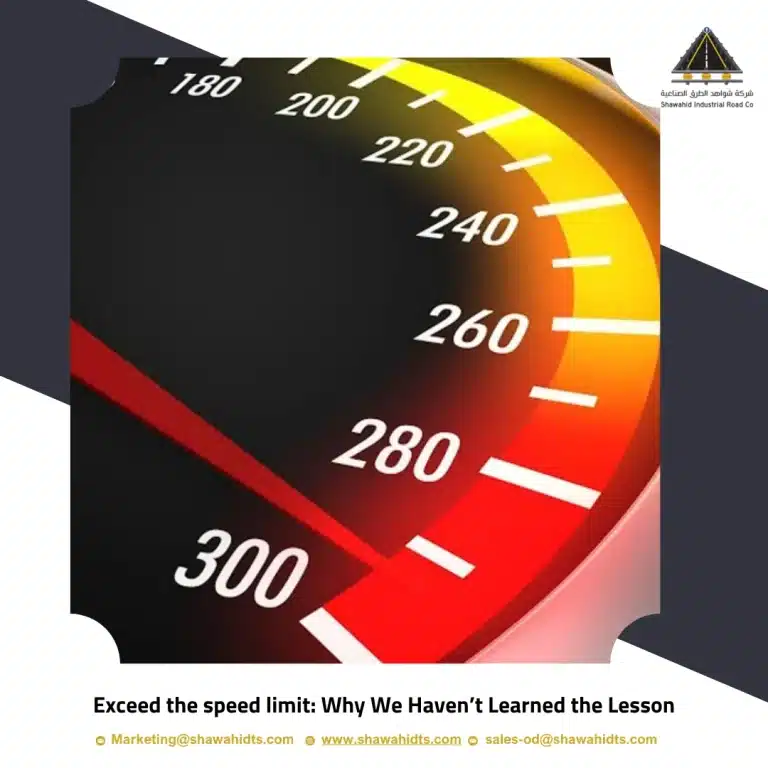
At the very core of this unfolding crisis lies a dangerous illusion, speeding. It compresses time and steals options. At high speed, reaction windows shrink, braking distances stretch, and minor errors become fatal decisions. Vehicles lose stability, tyres lose grip, and the human body, fragile by design, meets forces it cannot withstand. Speeding also multiplies the severity of outcomes: what might have been a minor collision at moderate speed becomes a life changing crash when velocity takes control. It fuels reckless overtaking, blurs judgement, and turns simple distractions into irreversible consequences.
Far removed from the twisted metal and shattered glass, and beyond the wreckage lies an economic wound that bleeds silently. Speed related crashes drain household savings through medical bills, vehicle repairs, and lost income. They burden employers with reduced productivity and the nation with increased healthcare costs, emergency response expenses, and infrastructure damage. Every crash diverts public resources that could have built schools, strengthened hospitals, or improved roads. Speeding does not just cost lives; it taxes the future.
Evn long after the sirens fade and the roads fall quiet again, the mind remembers. Survivors carry trauma, anxiety, and fear. Families wrestle with grief, guilt, and unanswered questions. Children grow up with empty seats at dinner tables; parents age with the weight of loss; communities mourn in silence. Speeding leaves scars that no insurance policy can fully repair.
In the deepest aftermath of irreversible loss, particularly when a life is lost to speed, families inherit a burden they did not choose: sudden responsibilities, emotional fractures, and altered destinies. Breadwinners disappear, caregivers are overwhelmed, and dreams are deferred. Society too, bears the cost as talents are lost, futures are shortened, and trust in road safety is shaken.
It is therefore time as a nation to come together and fight the menace and hit the nail on the head rather than playing politics with every crash that occurs. Road traffic crash is a global challenge that eventually necessitated the birth of UN Decade of Action. As such, apportioning blames to the system on every crash rather than appreciating the root cause and tackling it will not help matters.
Let us now be mindful, extra careful and note that the continual efforts of government in making the roads available should not be a pass for death race. Enough of the death on our roads, enough of impunity. There must be consequences for every infraction to serve as deterrent to others. Rather than attacking the system, let our focus jointly be on that Road user that failed in doing the right things. LETS STOP THE KILLINGS! the time is now!
As the year 2026 unfolds, the call is clear and urgent. Slow down. Respect speed limits. Drive to arrive. The Federal Road Safety Corps can educate, enforce, and rescue, but prevention begins with personal responsibility. A crash free nation is not a slogan; it is a collective act of restraint, care, and conscience. On our roads, speed kills silently. Wisdom saves loudly.