


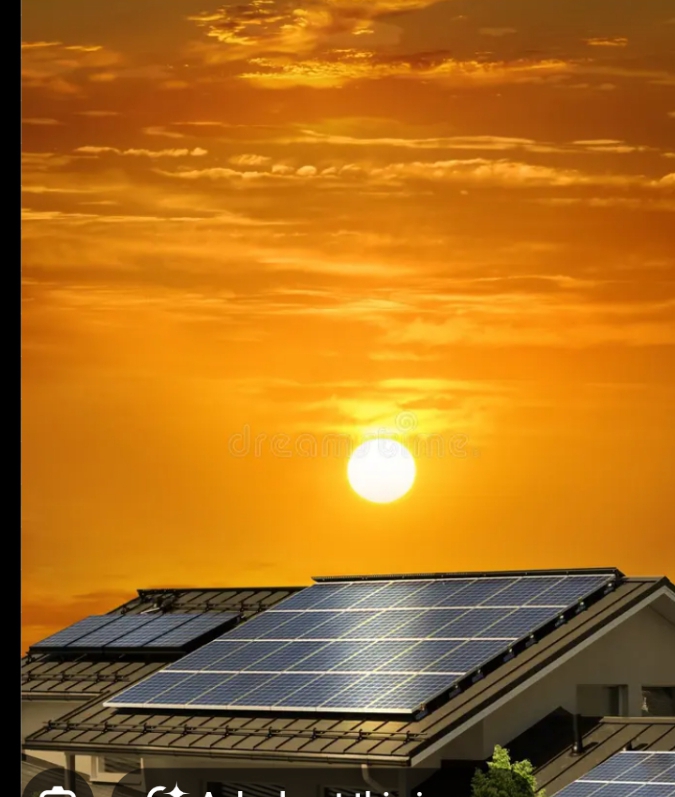

The recent move by the President Bola Tinubu-led administration to mandate new taxes on citizens seeking relief through solar energy is more than just a fiscal policy; it is a stark admission of the government’s inability to fix the national grid. By penalizing those who are forced to provide their own power, the government is displaying a total collapse of its obligation to the people and a betrayal of promises made to reform the electricity sector.
A Sector in Freefall

As of April 2026, Nigeria’s power sector remains trapped in a persistent crisis. The industry is currently suffocating under a staggering debt of ₦6.8 trillion, leaving generation companies (GenCos) unable to secure the gas needed to fuel thermal plants. The result is a nation left in the dark, despite an installed capacity of 13,000 MW, of which a meager 4,000 to 5,000 MW actually reaches consumers.
The “state of light” in 2026 has reached a breaking point:
*Frequent Grid Failures:* The national grid has collapsed multiple times this year alone, including two total system failures within a single five-day window in January.
*Systemic Blackouts:* Northern Nigeria is currently enduring a massive blackout affecting seven states including Kano and Sokoto under the guise of “modernization,” while urban hubs like Lagos receive only sporadic hourly supply.
* The Solar Escape: With petrol and diesel prices at record highs, solar energy has become a survival tool for the middle class and businesses. Taxing this “self-help” initiative is seen by many as the government profiting from its own failure.
Decades of Neglect resulted to the current administration’s struggle is the latest chapter in a long history of systemic decay. The roots of this darkness stretch back nearly 50 years:
* 1978: The “Original Sin” occurred when an oil-boom consumption spike was met with zero expansion in generation capacity.
* The 1980s/90s: Decades of military neglect gave birth to the infamous “NEPA” (Never Expect Power Always) era, where maintenance was non-existent.
* 1991–1999: A total eight-year investment freeze left the infrastructure in ruins at the dawn of the Fourth Republic.
* 2013–Present: A botched privatization process handed the grid to operators who lacked the financial muscle to overhaul the system, leading to the current ₦6.8 trillion liquidity trap.
The Verdict
By shifting the burden to solar users through new taxes, the Tinubu administration is effectively “taxing the sun” because it cannot fix the wires. This policy does not solve the liquidity crisis; it only deepens the frustration of a citizenry that has already spent billions of Naira to generate their own electricity where the state has failed.
If the government cannot provide light, it should, at the very least, get out of the way of those trying to find it themselves.