




By James Aduku Odaudu, PhD
In every democratic cycle in Nigeria, the expectation of a formidable opposition resurfaces. Yet, as the next electoral contest approaches, it is increasingly evident that the current opposition coalition lacks the structural depth, ideological coherence, and organisational discipline required to unseat President Bola Ahmed Tinubu.
The problem is not merely electoral arithmetic. It is structural weakness compounded by personal ambition and fragile alliances.
Nigeria’s political history demonstrates that successful opposition movements are rarely spontaneous; they are carefully engineered. The merger that produced the All Progressives Congress (APC) in 2013 was the product of prolonged negotiations, ideological bargaining, and institutional fusion of legacy parties. That coalition was not perfect, but it was organised.
By contrast, the present opposition alignment appears reactive rather than strategic. Meetings are held.
Statements are issued. Photo opportunities abound. Yet beyond rhetoric, there is little evidence of harmonised policy positions, shared ideological commitments, integrated campaign structures, unified funding mechanisms and agreed conflict-resolution frameworks. A coalition without a shared program becomes a gathering of aspirants, not a movement.
• Tinubu’s Structural Advantage
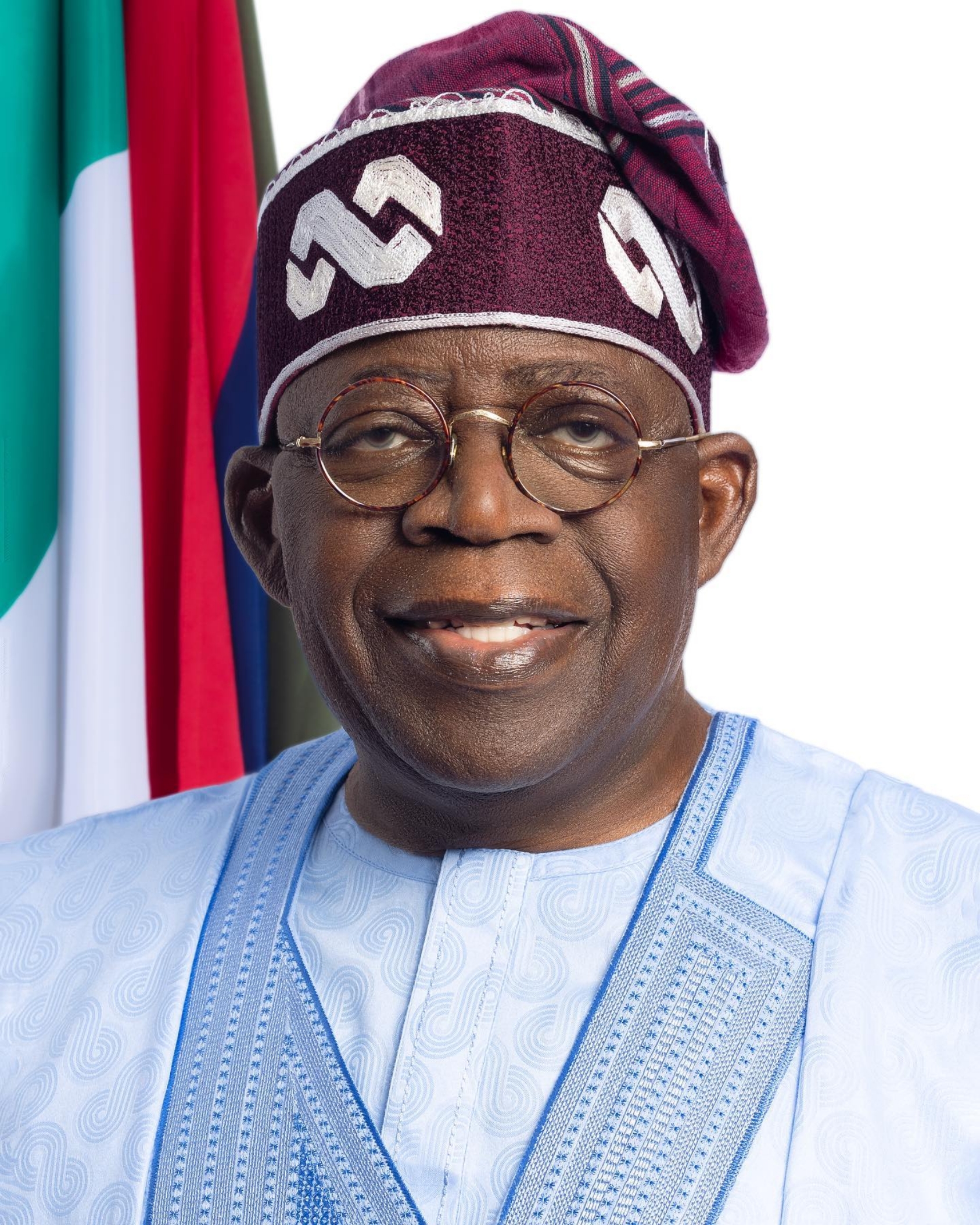
President Tinubu is not merely an incumbent; he is a political organiser with decades of network-building experience dating back to his tenure as Governor of Lagos State. His influence cuts across state governors, party executives, legislative caucuses, grassroots mobilisers and strategic financiers.
The All Progressives Congress remains Nigeria’s most structurally embedded party, controlling a significant number of state governments and maintaining influence across geopolitical zones.
Incumbency in Nigeria is not symbolic—it is institutional. Access to state machinery, patronage networks, and regulatory levers amplifies political staying power. An opposition coalition fragmented by internal rivalry cannot easily penetrate such entrenched systems.
• The Tyranny of Individual Ambition
The greatest obstacle facing the opposition is not Tinubu. It is the opposition itself.
Multiple heavyweight figures within opposition ranks nurse presidential ambitions. Instead of subordinating personal aspiration to collective strategy, many operate parallel structures. The result: Competing campaign narratives, suspicion and distrust, strategic leaks and counter-leaks, factional bargaining over zoning and ticket allocation.
Where ambition supersedes institution-building, cohesion collapses.
Political coalitions succeed when individuals concede space for collective victory. Without that discipline, negotiations become transactional rather than transformational.
• Absence of Ideological Clarity
An effective opposition must articulate a clear alternative governance model. Beyond general criticisms of fuel subsidy removal, exchange rate liberalisation, or economic hardship, the coalition has yet to present a coherent macroeconomic recovery plan, a unified fiscal framework, a consistent security doctrine or even a reform roadmap distinct from the ruling party.
Critique without credible alternative does not mobilise undecided voters. It only energises already convinced supporters.
• Weak Grassroots Penetration
Nigeria’s elections are won not only in urban media spaces but in ward meetings, local government structures, community associations and Informal political networks.
While opposition figures dominate social media discourse, the APC continues to consolidate subnational structures. Many opposition elements lack ward-level cohesion, data-driven voter mapping, and sustained rural engagement. Twitter trends do not substitute for polling unit agents.
• Timing and Strategic Depth
Political coalitions require time to mature. The APC merger preceded the 2015 elections by two years, allowing for internal integration and message consolidation.
The present opposition framework appears hurried. Late-stage alignments leave insufficient time to resolve leadership tussles, harmonise campaign messaging, build voter trust, train field operatives and secure cross-regional endorsements.
Political architecture cannot be assembled weeks before a contest and expected to withstand a well-oiled machine.
• The Psychology of Power
Power attracts alignment. Political actors—especially at the state and local levels—often gravitate toward perceived stability and access. As long as Tinubu’s administration retains control of federal institutions and a sizable bloc of governors, fence-sitters may hesitate to defect to a coalition whose internal unity remains uncertain.
Perception influences momentum. Momentum influences defections. Defections influence outcomes.
Conclusion: Organisation Defeats.
Outrage
The opposition coalition’s challenge is not rhetorical strength but institutional frailty. President Tinubu’s political resilience rests on three pillars: organised party machinery, incumbency leverage and networked alliances across states.
Until the opposition resolves its internal contradictions—particularly the preponderance of individual interests over collective discipline—it will struggle to mount a serious electoral threat. As things stand, there’s only one expected result in the 2027 presidential election: a Tinubu landslide victory and a wailing opposition.
In politics, outrage may generate headlines, but organisation wins elections.
• Dr James Odaudu, development administrator and Convener, Kogi Professionals Network (KPN) can be reached at jamesaduku@gmail.com