


By Opeyemi Ezekiel Akindele
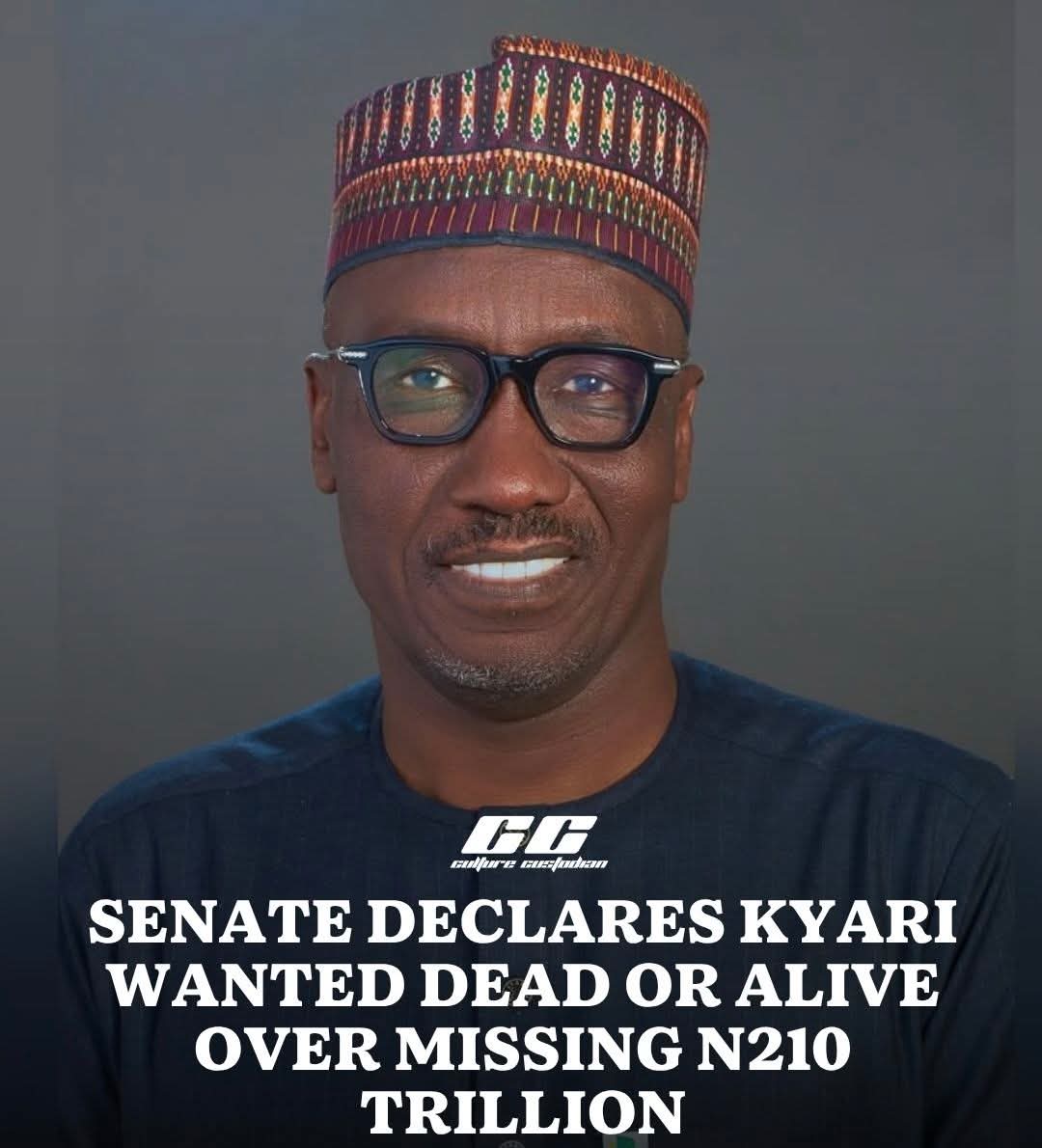
Nigeria continues to grapple with questions surrounding transparency and accountability in the management of public resources. Recent discussions have focused on allegations that approximately ₦210 trillion in oil revenues managed through the Nigerian National Petroleum Company Limited (NNPCL) remain unaccounted for, prompting calls for thorough investigation and public scrutiny.
While the exact figures and legal findings remain subject to ongoing inquiries, the debate has reignited concerns about the impact of financial mismanagement on national development.
To appreciate the magnitude of the sums being discussed, analysts have attempted to place the figures in context.
At an exchange rate of approximately ₦1,400 to $1, ₦210 trillion translates to about $150 billion. Some commentators argue that, considering periods when the naira traded at stronger values, the equivalent economic value could approach $450 billion.
If such resources were available for development purposes, their potential impact would be transformative:
1. Education for Generations
At an estimated cost of $5,000 annually to cover tuition, accommodation, and learning materials, a complete academic journey from undergraduate to doctoral level over nine years would cost approximately $45,000 per student.
A fund of $450 billion could finance the education of millions of Nigerians and significantly expand access to higher education across generations.
2. Funding National Development
For comparison, Ghana’s annual national budget is estimated at roughly $31 billion. A sum of $450 billion could theoretically finance Ghana’s government operations for more than a decade.
3. Sustaining Nigeria’s Federal Budget
Nigeria’s 2026 national budget stands at approximately ₦68.32 trillion, equivalent to about $49 billion. A fund of $450 billion would exceed nine years of federal budget expenditures at current levels.
4. Economic Transformation
Resources of this magnitude could finance major infrastructure projects, industrial development programmes, healthcare expansion, energy investments, and technological innovation capable of transforming Nigeria’s economic landscape.
5. Infrastructure Development
The African Development Bank estimates Africa’s infrastructure financing gap at around $100 billion annually. Hundreds of billions of dollars could substantially accelerate investments in roads, railways, power generation, water supply, and sanitation systems across the continent.
6. Debt Reduction
Nigeria’s public debt is estimated at just over $100 billion. Resources on the scale being discussed could significantly reduce debt burdens and free up fiscal space for development priorities.
7. Wealth Creation and Industrial Growth
For perspective, the fortune of Africa’s richest businessman, Aliko Dangote, is estimated at approximately $14 billion. A sum of $450 billion would be equivalent to more than 30 times that amount, illustrating the enormous economic value involved.
The Bigger Question
Beyond the figures lies a fundamental issue: public trust. Nigerians continue to demand transparency, accountability, and responsible stewardship of national resources. In a country facing challenges in education, healthcare, infrastructure, employment, and energy access, questions surrounding the management of public funds inevitably attract intense public interest.
As investigations and legislative inquiries continue, many citizens hope that the process will provide clear answers and strengthen accountability mechanisms within public institutions.