




By ZAKAA LAZARUS
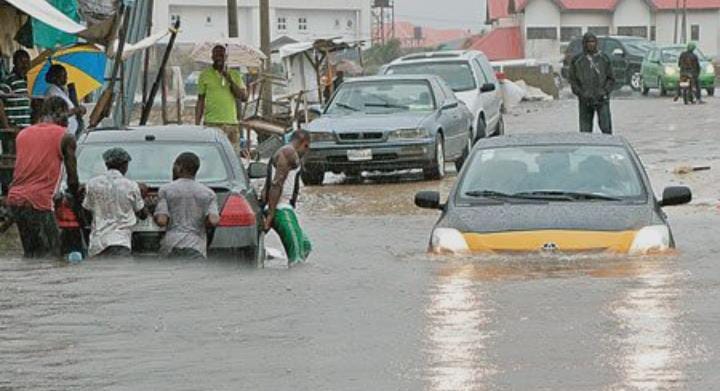
The August 15 flash flood at Blantyre Crescent, Wuse II, Abuja, should not be dismissed as just another episode of heavy rain. The Federal Ministry of Environment’s technical report makes it clear: the disaster was man-made, not just weather-driven.


Blocked manholes, silt, solid waste and years of deferred maintenance turned what should have been a manageable downpour into hydraulic surcharge, backflow and surface flooding. Even more alarming was the discovery of sewage-contaminated water in parts of the City Centre, pointing to broken infrastructure and possible illicit connections.
This is not an isolated incident. It is a warning. Abuja’s underground drainage network is choking, and until we address it systematically, residents will continue to pay the price every rainy season.
The ministry’s recommendations are straightforward and urgent: immediate desilting at Blantyre Crescent, hydraulic inspection of drainage networks, and most importantly, a shift from reactive emergency fixes to a scheduled, verifiable preventive maintenance programme. The proposal for a digital asset register to track manholes, channels and flood hotspots is also long overdue.
We must also heed the warning on urban planning. Green areas are not empty land waiting for buildings. They are the city’s natural sponges. Converting them for residential or industrial use only guarantees more flooding.
Rainfall will always come. But floods of this scale are a policy failure. The Federal Government and FCT authorities must now move beyond reports and act — jointly, transparently and consistently.
Emergency response alone will not save Abuja. Only disciplined maintenance, proper urban planning and enforcement will.