


The Central Bank of Nigeria Governor (CBN), Mr. Olayemi Cardoso has shared bespoke activities that shaped the CBN in June and July 2026.
He posted on his verified X platform that June and July marked an important period at the Central Bank of Nigeria – “new frameworks for the next phase of Nigeria’s financial system, growing evidence of the impact of reform, and important conversations about the choices that will shape Nigeria and Africa’s economic future. Across all of these, the principles guiding us at the CBN remained constant: credibility, discipline, and institutional integrity,” he tweeted.


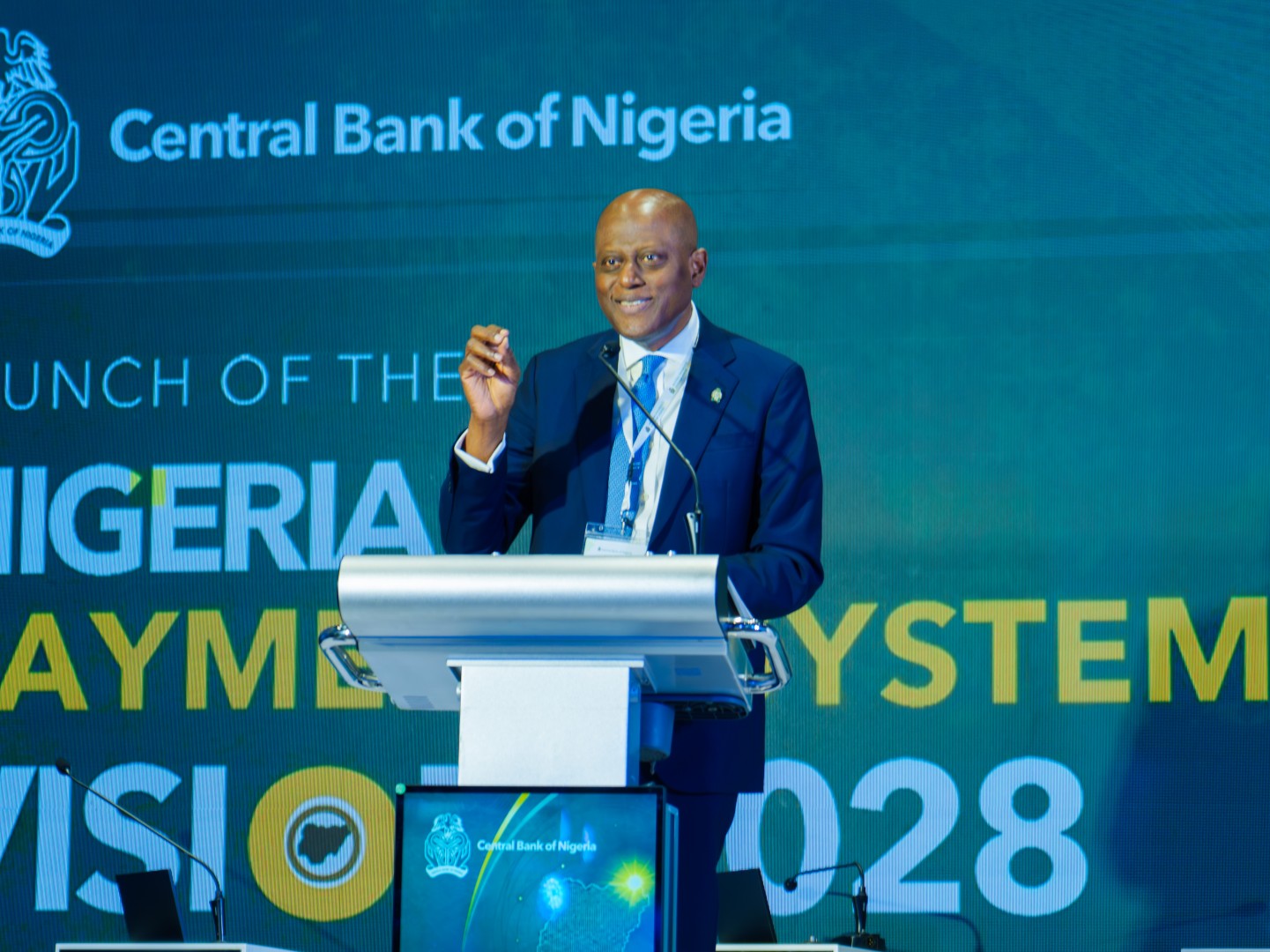
On June 1, he said the CBN launched the Nigeria Payments System Vision 2028, our strategic roadmap for the next phase of transformation in Nigeria’s payments ecosystem.
He noted that over the past two decades, Nigeria has built one of the most dynamic and innovative payments ecosystems in the world. PSV 2028 builds on that foundation, with a clear objective: a payments ecosystem that is secure, inclusive, resilient and globally competitive, and one that positions Nigeria to take full advantage of the opportunities arising from digital commerce, the African Continental Free Trade Area and increasingly interconnected global markets.
As I emphasised at the launch, payment infrastructure has become a strategic national asset in a modern economy.
Also on June 1, the 4th Edition of the CBN Foreign Exchange Manual took effect, further aligning Nigeria’s foreign exchange administration with international best practice and reinforcing the transparency and market efficiency on which investor confidence depends.
On June 10, in London, I had the honour of receiving the 2026 Central Banking “Central Bank of the Year Award” on behalf of the Central Bank of Nigeria. I accepted the recognition on behalf of the Board, management and staff of the Bank, whose professionalism and commitment have been central to the progress we have made. There is still much work ahead, but the recognition is an important affirmation of the difficult choices we have made to restore confidence, strengthen policy credibility and build a more resilient financial system. Two weeks after the launch of PSV 2028, we formally launched the Nigerian Overnight Financing Rate (NOFR) as Nigeria’s new money-market benchmark. Together, these initiatives form part of a broader effort to modernise the infrastructure underpinning our financial system, improve market transparency and strengthen the foundations for more efficient financial markets.
Later in June, I welcomed Michael Miebach, Global Chief Executive Officer of Mastercard, to the CBN Head Office in Abuja. We discussed Nigeria’s evolving payments landscape, the frameworks supporting greater transparency and efficiency in the financial system, and the role global partners can play in deepening digital financial infrastructure and expanding access across the economy. By July, the emphasis was increasingly on the outcomes of reform. Speaking at the BusinessDay CEO Forum, I reflected on how reforms across monetary policy, the foreign exchange market and financial-sector regulation are translating into measurable improvements. Gross reserves have grown to approximately US$52 billion, providing around ten months of import cover, while net foreign reserves have strengthened considerably. The foreign exchange market has become increasingly liquid, and Nigerians can once again use their bank cards seamlessly for international transactions. These developments did not happen in isolation. They reflect the cumulative impact of difficult choices, disciplined reform and consistent implementation. They also reinforce a principle that has guided this reform programme from the outset: trust remains the foundation of effective central banking. Difficult decisions are rarely popular. But credibility is earned by taking the decisions necessary to safeguard long-term stability.
July also included important engagements across government. I met with the Honourable Minister of Education, Dr. Maruf Olatunji Alausa, and later welcomed the Honourable Minister of Finance and Coordinating Minister of the Economy, Mr. Taiwo Oyedele, as we continued strengthening collaboration across institutions whose work is critical to Nigeria’s long-term economic development.
On July 20 and 21, the Monetary Policy Committee held its 306th meeting and voted to retain the Monetary Policy Rate at 26.5%, alongside all other monetary policy parameters. This measured stance reflected our continued commitment to preserving price stability while responding carefully to evolving domestic and global conditions.
The Committee also noted the stronger position of Nigeria’s banking system following the successful completion of the recapitalisation programme in March, and the increased resilience this has brought to the sector.
The following day, I presented the Central Bank’s First Half 2026 Statutory Briefing to the Senate Committee on Banking, Insurance and Other Financial Institutions. The briefing reviewed progress across inflation moderation, foreign exchange market stability, reserve accumulation, banking-sector resilience and market infrastructure reform.
It also set out our priorities for the second half of the year: post-recapitalisation supervision, continued foreign exchange reforms, implementation of Payments System Vision 2028, cybersecurity and sustained financial-system stability.
On July 29, the Virtual Asset Council met at the CBN Headquarters, following President Tinubu’s Executive Order on Virtual Assets Coordination earlier in the month. Chaired by the CBN, the Council brings together relevant institutions to coordinate policy direction and develop a harmonised framework for Nigeria’s virtual asset sector, aligned with our economic and national security objectives.
The CBN is also proceeding with a regulatory sandbox for virtual assets. Our objective is not to restrict innovation, but to ensure that innovation develops responsibly and that what reaches Nigerians has been properly examined. Responsible innovation and financial stability are not competing objectives.
The month closed with the 7th Africa Emerging Markets Forum, which we were pleased to host at the Central Bank of Nigeria. The Forum brought policymakers, economists and business leaders from across Africa and around the world to Abuja for a timely conversation about Africa’s place in a rapidly changing global economy.
The first day concluded with a dialogue I particularly enjoyed, with Dr. Ngozi Okonjo-Iweala, Director-General of the World Trade Organization. It was a wide-ranging and thought-provoking exchange about some of the choices that will determine Africa’s economic future.
We spoke about the institutions Africa needs to build, the case for deeper regional integration, and why greater domestic investment will be essential if we are to create economies that are more resilient and competitive.